Welcome: TJCHEMI
Language:
 ∷
∷

∷
 ∷
∷
Sulfuric Acid Shortage Drives Up Costs, Titanium Dioxide Industry Faces Continued Price Hike
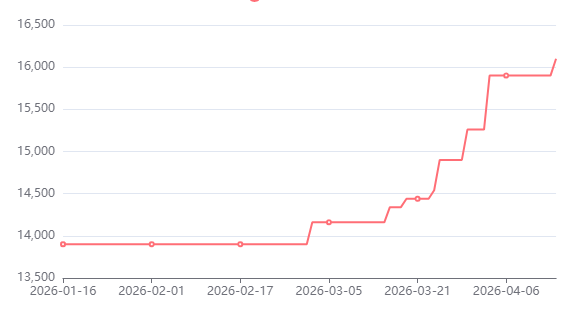
Recently, the domestic chemical industry chain has experienced a continuous chain reaction of price increases: the core raw material sulfuric acid continues to be in short supply and its price has skyrocketed, directly impacting the sulfuric acid process for titanium dioxide production, which accounts for over 90% of domestic capacity. This has led to limited industry operations and cost inversions, resulting in multiple consecutive price increases for titanium dioxide since March.
Analysis of the Sulfuric Acid Shortage
Over 50% of my country's sulfur is imported from the Middle East, and the Strait of Hormuz handles over 50% of global sulfur shipping. Recent escalation of geopolitical conflicts in the Middle East has disrupted shipping through the strait, leading to a significant decline in imported sulfur arrivals. Prices have surged from approximately 3,500 yuan/ton at the beginning of the year to 6,700 yuan/ton in mid-April, an increase of nearly 90%.
Upstream supply contraction: In the first quarter, some smelters underwent maintenance and stricter environmental controls, leading to a decrease in by-product sulfuric acid production. Simultaneously, the high cost of raw materials and energy for sulfuric acid production from pyrite resulted in low operating rates, further tightening the effective supply in the market.
Downstream demand surged: Industries such as titanium dioxide, phosphate fertilizer, and chemical fibers entered their peak production season, leading to a concentrated increase in sulfuric acid demand. This widened the supply-demand gap, pushing the price of 98% sulfuric acid from around 900 yuan/ton at the beginning of the year to over 2100 yuan/ton by mid-April, a monthly increase of over 130%, reaching a new high in recent years.
Short-term shortage unlikely to ease; titanium dioxide prices more likely to rise than fall
Industry analysts believe that the tight sulfuric acid supply situation is unlikely to fundamentally change in the short term: Geopolitical conflicts in the Middle East and shipping risks in the Strait of Hormuz remain, and the recovery of sulfur imports will take time; continued maintenance and environmental controls at domestic smelters limit the increase in by-product sulfuric acid; and the peak demand from downstream industries such as coatings, plastics, and papermaking will continue in the second quarter, providing strong support for sulfuric acid demand.
Customers who need this service in the near future are encouraged to make their purchases as soon as possible.
Contact: Monica
whatsapp:
 Monica
Phone: +8613342014397
Tel: 86-22-25220868
Email: info@tjchemi.com
Add: Tianjin, China