Welcome: TJCHEMI
Language:
 ∷
∷

∷
 ∷
∷
War Triggers Surge in Crude Oil Prices, Rising Global Chemical Costs
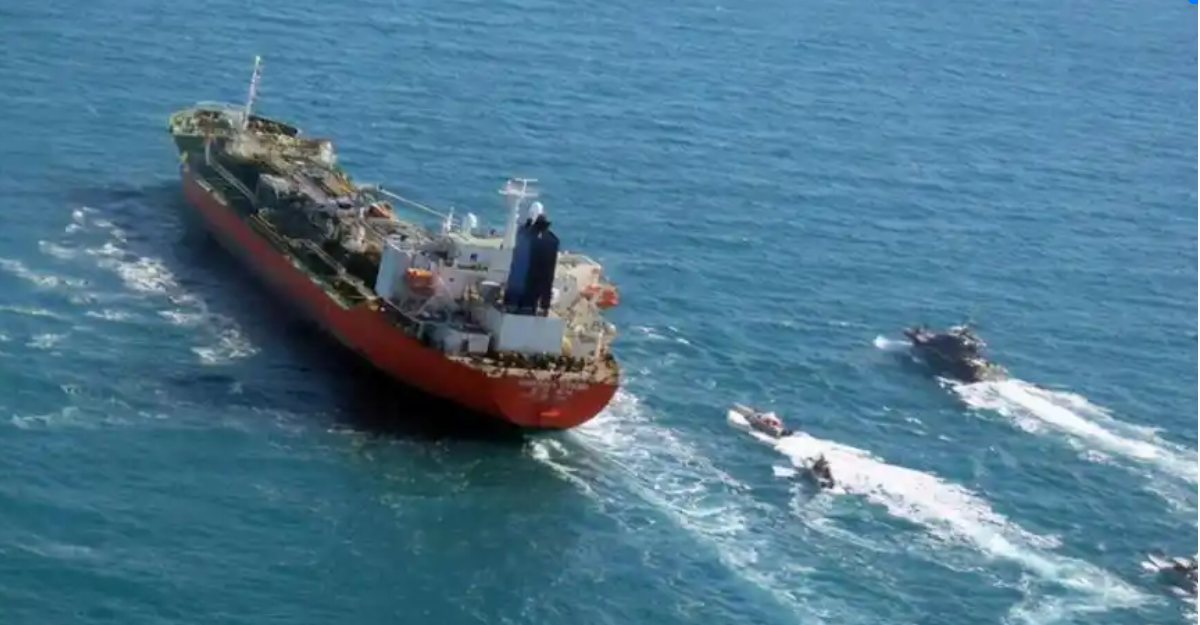
Since the outbreak of conflict between the US and Israel against Iran on February 28, 24 provinces across Iran have been attacked. As the conflict escalated, the Iranian Islamic Revolutionary Guard Corps announced on the evening of February 28 that it would prohibit any ships from passing through the Strait of Hormuz and sank three cruise ships attempting to force their way through.
The Strait of Hormuz, a vital waterway connecting the Persian Gulf and the Gulf of Oman, is known as the world's oil valve. It is the only route for crude oil exports from Middle Eastern oil-producing countries such as Saudi Arabia, Iraq, Qatar, and the UAE. Approximately one-fifth of the world's oil is transported through this strait. Its closure directly cuts off a crucial global energy supply route, causing an immediate surge in crude oil prices and a significant impact on the global economy.
The news of the strait's closure triggered a sharp rise in international crude oil prices that day. Brent crude oil rose nearly 13% in a single day and 17% year-to-date, pushing international oil prices into a period of high volatility driven by geopolitics and supply-demand dynamics.
The cost of living is quietly rising.
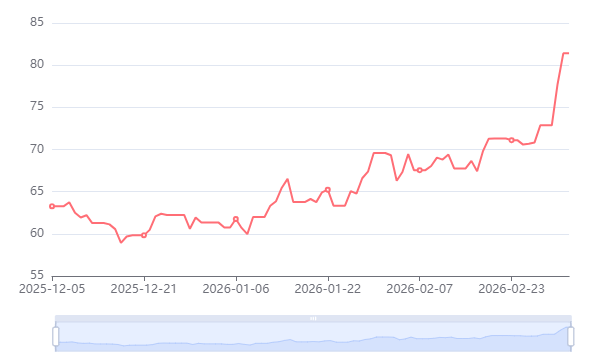
As a carrier of implicit costs in the economy, oil price increases will directly impact various domestic industries. Domestic refined oil pricing adjusts in tandem with international oil prices, directly pushing up costs in the domestic logistics and transportation industry. This cost then passes to end consumers such as fresh produce and department stores, creating a chain reaction of "oil price - freight - commodity price."
Chemical costs are rising sharply.
Survey data from multiple downstream oil companies shows a significant increase in raw material costs due to the short-term surge in oil prices. Ten out of 13 companies saw year-on-year increases in raw material purchase prices, with four companies experiencing increases exceeding 30%. Product price transmission is difficult, with only 46.2% of companies seeing year-on-year increases in product sales prices, far lower than the 76.9% increase in raw material prices. Profit margins are generally declining, with 12 companies experiencing year-on-year declines, four of which saw decreases exceeding 50%. Losses are more severe for upstream companies.
Currently, the conflict between the US and Israel over Iran remains unresolved, and the short-term situation in the Middle East remains uncertain. The Strait of Hormuz is unlikely to reopen to navigation. The short-term conflict has already caused incalculable losses to the world. It is hoped that all countries will come forward to negotiate this conflict and strive to end the war as soon as possible!
Contact: Monica
whatsapp:
 Monica
Phone: +8613342014397
Tel: 86-22-25220868
Email: info@tjchemi.com
Add: Tianjin, China